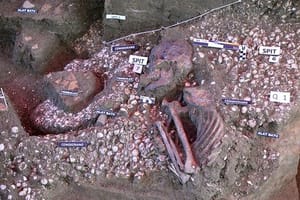
Determining the biological sex of early human remains is a critical step in reconstructing individual identities; sexual dimorphism in the skeleton can provide insights into the biology and social structures of ancient populations.
The mid-1970s to 1980s was a watershed moment as Malaysians began to enter the field of archaeology. Among the first few Malaysians who went overseas for postgraduate training and study were Zuraina Majid, the late Nik Hassan Shuhaimi, the late Adi Haji Taha, Leong Sau Heng and Ipoi Datan.
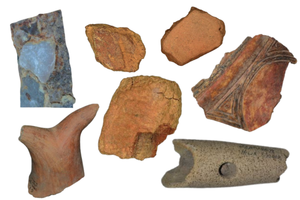
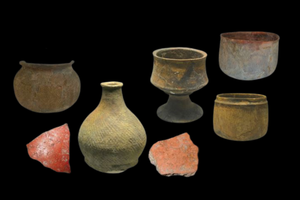
Prehistoric pottery in Malaysia is generally characterised by a range of surface treatments and vessel forms that reflect both utilitarian and cultural functions within early societies.
This article discusses the ethical implications of using AI-enhanced and AI-generated imagery in historical storytelling, particularly on social media.
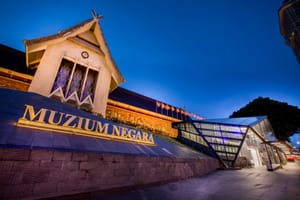
Each country may differ in how they present their national storyline. When it comes to formerly colonised countries in Southeast Asia, including Malaysia, most showcase the rise of the nation from early civilisation to colonisation and then independence, and later, its current development.
Despite outnumbering their male peers in higher education institutions for over a decade, Malaysian women remain markedly underrepresented in the workforce.
Somewhere between 2013 and 2015, Penang’s literary scene shifted. Not with a bang, but with a handful of stapled booklets, scrappy covers and stories that felt real in a way mainstream publishing rarely does. At the heart of it is Wilson Khor Woo Han.
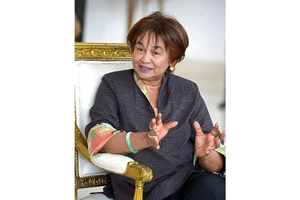
One can only imagine the lonely path Siti Zuraina Abdul Majid has travelled as Malaysia’s first archaeologist, and one with considerable academic gravitas under her belt. A returning graduate from the UK, she was only 24 years old when she excavated her first site in the late 1960s.