
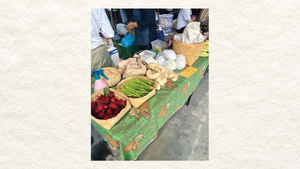
“WAH, WHAT KIND of Muah Chee is this? So expensive one. You know you can get these for RM3 at a pasar malam?” my 79-year-old aunt exclaimed, seeing the piece of Daifuku mochi I had purchased from a stall at a pop-up market. Cut open, it was visually stunning: a Russian doll of elements, with a whole tangerine encased in a layer of lightly sweetened, homemade genmaicha red bean paste, wrapped in a thin, perfectly chewy layer of mochi. It was an inventive combination, but not one which needed getting used to—the flavours just jibed.
Economists distinguish between goods whose qualities can be judged before purchase and those whose qualities consumers only learn about afterwards. This mochi falls closer to the latter category, where important aspects of its quality—particularly taste—can only be assessed through consumption. The price tag, then, reflects more than just the cost of ingredients, but also the customer’s belief that the experience justifies the premium price.
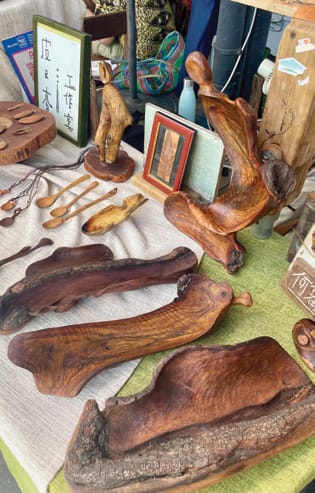
"Customers at pop-up markets are more willing to pay for higher-priced items,” one vendor told me, with the crucial caveat that the product feels genuinely unique. Mean-while, a Styrofoam box of the usual Muah Chee—sticky balls of glutinous rice dough rolled in crushed peanuts, sesame seeds and sugar (you get fried shallots too, if you are lucky)—would not command the same price, even at a pop-up market.