
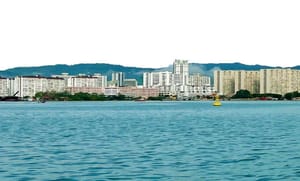
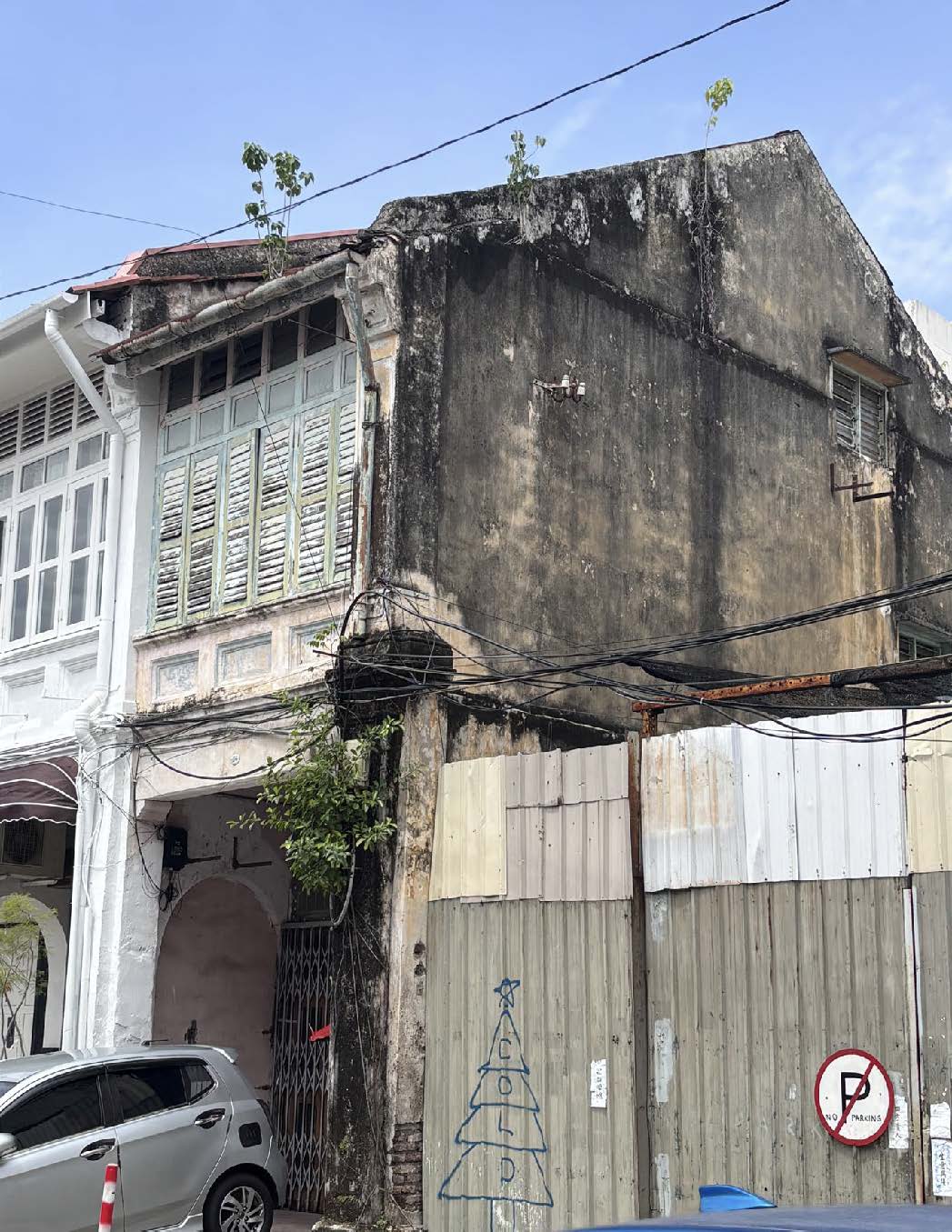
UPON RETURNING TO Penang in 2013 after completing my PhD, I found the state’s urban environment visibly cleaner and tidier than before, buttressed by a sense of optimism that its demeaning moniker, “Pulau Pinang Darul Sampah”
(lit., “Penang, the Abode of Garbage”), was history.[1] Over the subsequent decade, Penang’s transition into a new phase of major transformation to reverse urban decline and rejuvenate its socioeconomic situation has been reasonably well-managed. The prevailing sentiment is a mixture of hope for the future, coupled with the growing pains of political and socioeconomic transition. In this context, what does Penang’s liveability—an intrinsically multidimensional and multi-temporal concept—look like?
THE PAST IS THE PRESENT
What has Penang accomplished, whether fully or partially? While some Malaysians chase the “Singapore dream” of rapid financial uplift, Penangites can at least build a prosperous life without leaving home, coupled with a strong will from all quarters to make it liveable. There are three relevant major reports regarding this pursuit of liveability: The Sustainable Penang Initiative (1999), The Penang Paradigm (2013) and Penang2030 (2018). While the first two reports have seemingly “expired” and only the last one is ongoing, many aspects of these past reports remain highly relevant. Any new plan should contemplate the past, with its yet-unfulfilled projects and visions. Indeed, the second report, in particular, still provides a working definition of a well-balanced society: a Penang which is materially prosperous, intellectually creative, socially progressive, politically empowered, environmentally sustainable and culturally vibrant.
Penang’s gross domestic product (GDP) per capita stood at RM 80,584 in 2025, the highest among the 13 states (excluding the Federal Territories). Meanwhile, the sharp decline in its Gini coefficient in 2024 to 0.311, compared with the preceding decade,[2] indicates a significantly more equal distribution of income despite minor fluctuations. With this in mind, what economic successes have been achieved so far, and what shortcomings still exist?
The electrical and electronics sec-tor in Bayan Lepas and other industrial areas have provided decent jobs for qualified workers. My friends and relatives now work as professionals, run their own businesses or climb the corporate ladder to make a comfortable living. The boom-ing tourism sector, meanwhile, has benefited several categories of business owners (e.g., accommodation, food and beverages, leisure, transportation), where gentrification—a double-edged sword—has led to the mushrooming of cafes, restaurants, street art, museums, waterfront promenades and adaptive reuse in tourist areas. Indirectly, consumption choices have multiplied for locals. Chatting over lunch with a recently returned academic, I noticed her delight with Penang’s current gastronomic sophistication. Despite the challenges posed by tourism’s rapid growth, opportunities remain for developmental tourism to become “a powerful engine of urban (and rural) renewal, sparking business growth, breathing life into forgotten spaces and nudging governments towards providing better infrastructure that benefits locals as much as visitors” (see Penang Monthly, “Beyond numbers”, May 2026).
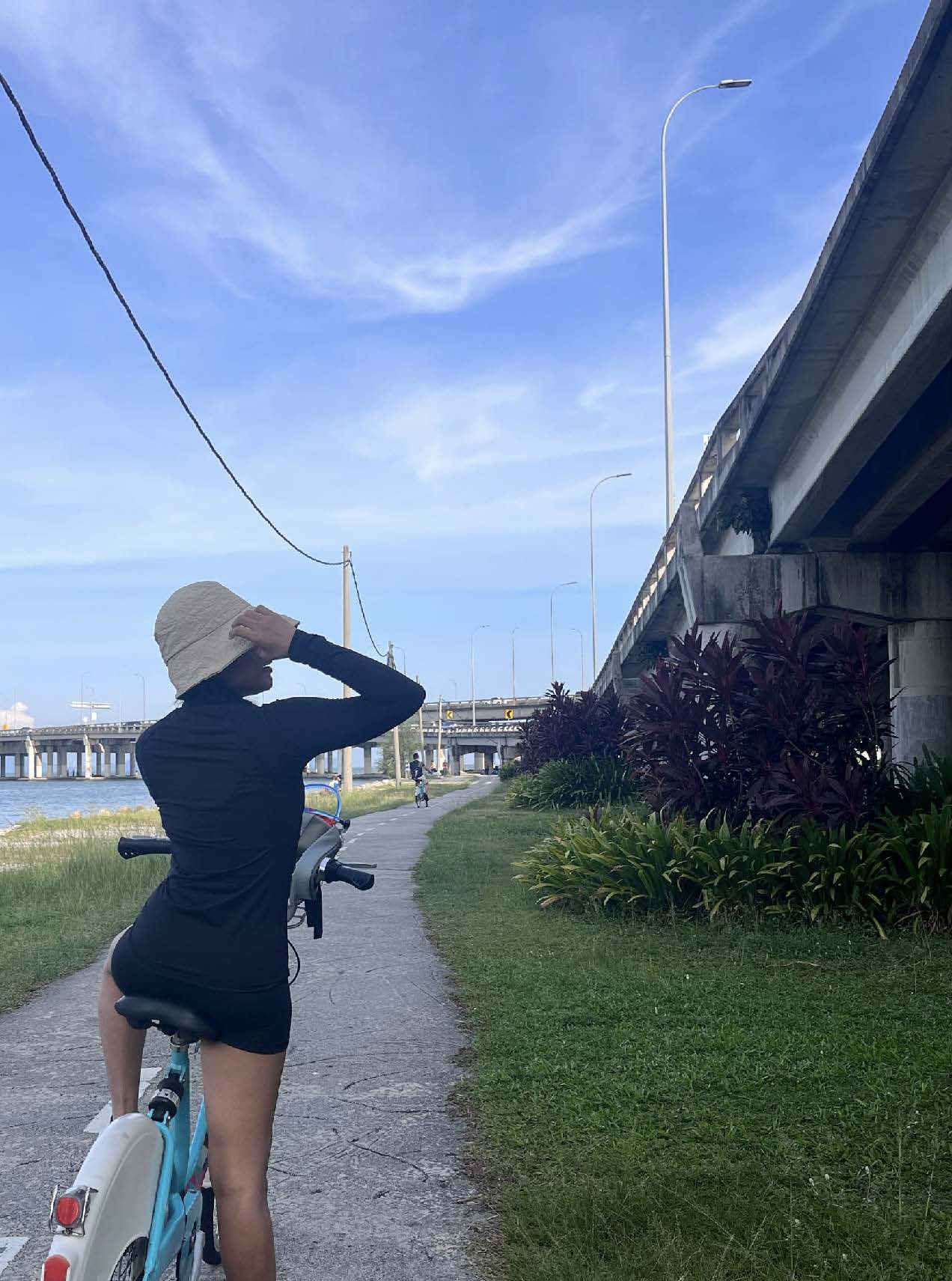
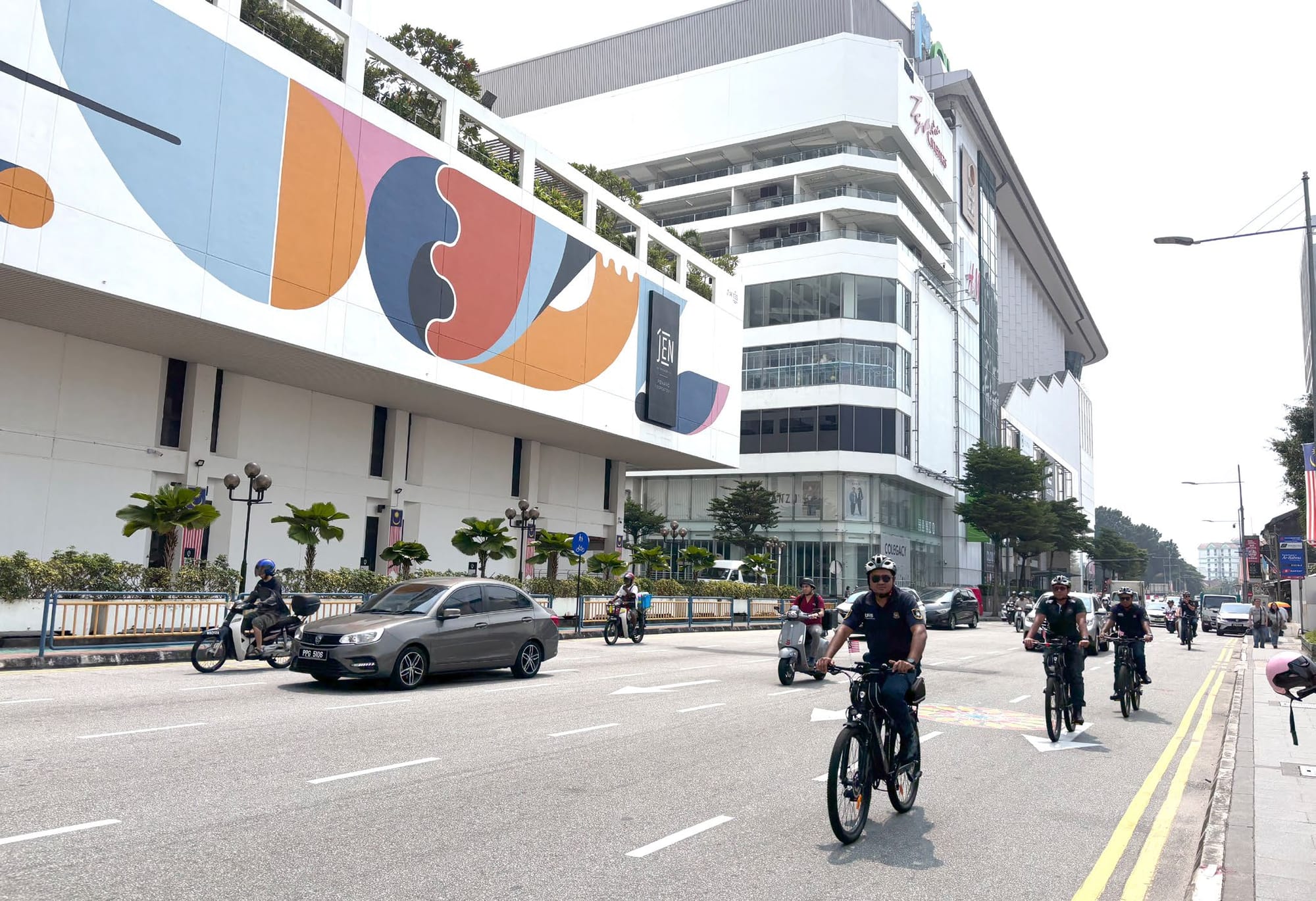
Another landmark achievement is the rollout of mega infrastructure projects. Fol-lowing years of gridlock, delay and financial hurdles, the highly anticipated Mutiara Line Light Rail Transit (LRT) system and Penang International Airport expansion are finally being realised, although their potential positive impacts can only be fully enjoyed with holistic planning. The LRT project, in particular, is closely linked with urban rejuvenation projects related to sustainable transportation, namely the 2015 “Pedestrian is King” initiative and the Penang Bicycle Lane Master Plan.