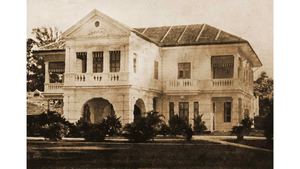
A heritage walk along Northam Road reveals more than scenic charm—it traces Penang’s layered past, from colonial ambition to elite enclaves. Once “Millionaires’ Row”, its evolving landmarks show how memory, power and place continue to shape the city.
Dua Darah explores identity beyond rigid racial categories, following a Malay-Chinese Muslim navigating faith, memory and duty. Intimate and layered, it opens space for difficult conversations on belonging in Malaysia.
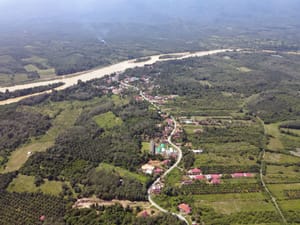
Having grown up in a small town, I am drawn to its unhurried rhythm—where time stretches and belonging needs no transaction. Through “Small Towns Malaysia”, we capture this quiet magic: overlooked places that offer a slower way of living, reshaping how we experience time and connection.
Tucked along the Sarawak River, Siniawan is a quiet heritage town of timber shophouses and layered histories—from gold rush sovereignty and anti-colonial resistance to near abandonment and community-led revival—offering a rare glimpse of Borneo’s past, still alive on its own terms.
Germany’s renewed push into Penang signals shifting semiconductor supply chains. For Malaysia, the opportunity is clear—but so is the risk: without moving up the value chain, it may remain a hub for labour and assembly, not innovation.
Milestones reframes “milestones” as quiet, cumulative shifts rather than grand events. Rooted in Penang, its stories trace change, memory and belonging—suggesting that life unfolds not through singular achievements, but through ongoing, everyday reckonings.
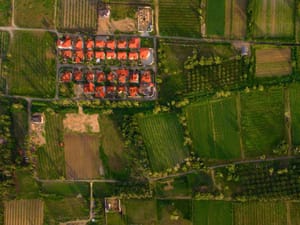
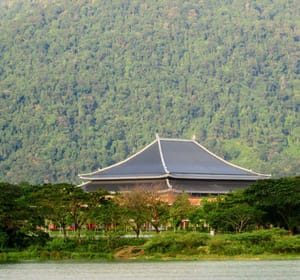
In towns like Kampar and Semenyih, universities have quietly reshaped local economies—reviving post-industrial spaces, driving population growth and spurring small businesses—showing how higher education can anchor long-term transformation beyond top-down urban planning.
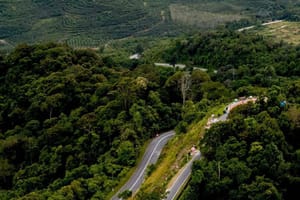
Taiping is more than a tranquil town—it is a layered historical landscape. Today, efforts to reconnect heritage with community point to a new model: small towns as engines of sustainable, place-based development.