
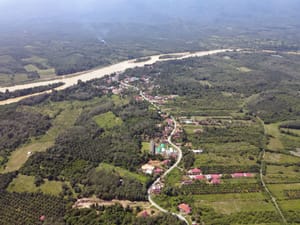
AS YOU TURN off the North–South Express-way at Kuala Kangsar, the change in land-scape is immediate. Your line of sight opens upon a broad valley framed by forested hills, its contours shaped by the steady flow of the Perak River. There is a palpable sense of age here, in a place that has had a far longer human presence than most of Malaysia.
Flowing from the Perak–Kelantan–Thailand border to the Strait of Malacca, the Perak River has carved out a lush valley over two million years. It has sustained settlements along its banks across deep time, accumulating layers of geological and human history that we are only now beginning to fully understand.
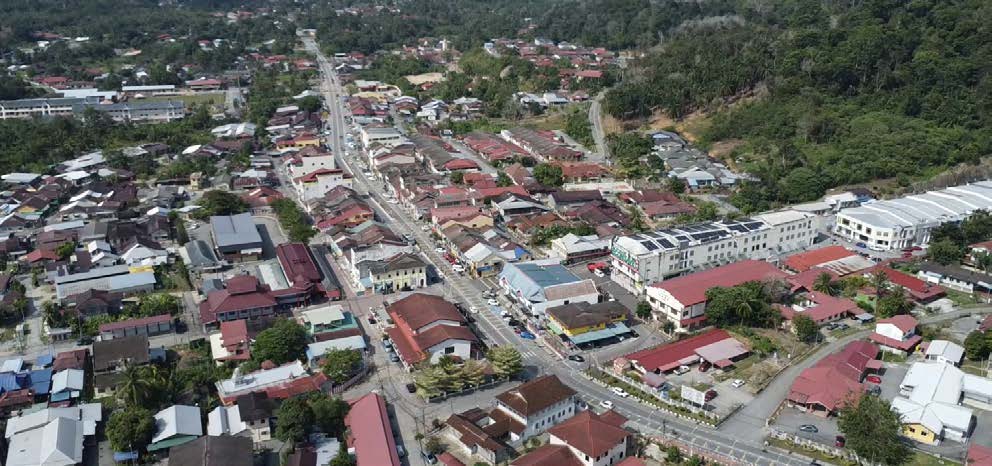
Some 40km upstream from Kuala Kangsar lies Lenggong itself, a modest town in the eponymous valley with an estimated population of 5,000 residents. Many Malaysians know Lenggong as the site where the Perak Man—an almost complete 11,000-year-old human skeleton—was found in a cave by Universiti Sains Malaysia researchers in 1991. But the complete Lenggong story stretches much further back, anchoring one of Southeast Asia’s most significant archaeological landscapes.