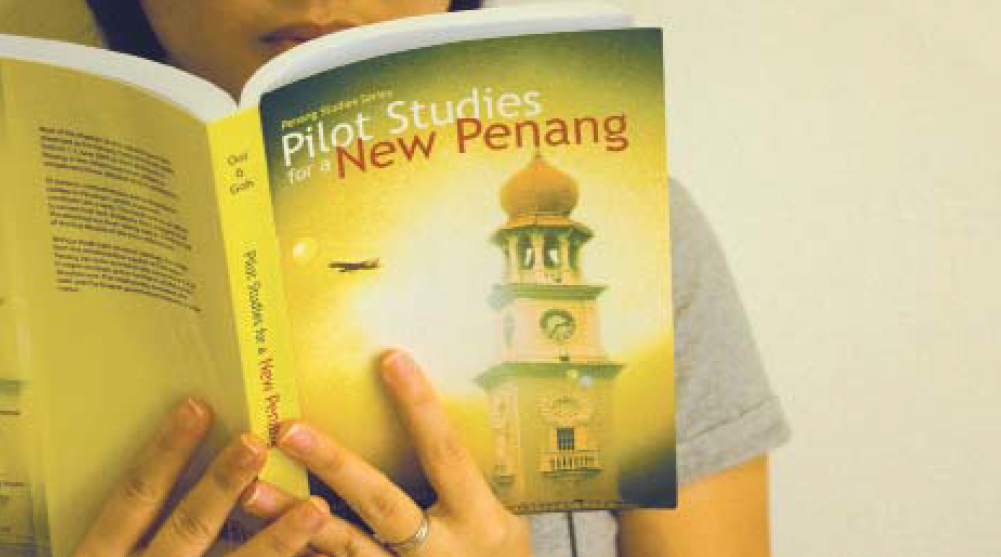
Edited by Ooi Kee Beng and Goh Ban Lee. Published by Socio-Economic and Environmental Research Institute (SERI) and Institute for Southeast Asian Studies (ISEAS).
ONE SELDOM READS a book of this type cover-to-cover in one sitting, as I did. However, for anyone interested in the future of Penang, this collection of studies makes very compelling reading. Most of the papers were presented at the Penang Outlook Forum in June 2009, titled “Restructuring and Reshaping Penang”, and they cover the history of local planning, local governance reform, housing, industrial development, health care, education, employment, job creation and social justice. These issues are dealt with by a range of highly qualified Penangites and international contributors devoted to shaping the state’s development.
The book, which is the first instalment in the Penang Studies Series, is an important collaboration between Penang’s Socio-Economic and Environmental Research Institute (SERI) and Singapore’s prestigious Institute of Southeast Asian Studies (ISEAS). As noted by Ambassador Kesavapany, the director of ISEAS, this is a natural outgrowth of the long association between Penang and Singapore. Both are Straits settlements and “historical ports-of-call for traders, missionaries, adventurers and political exiles”.