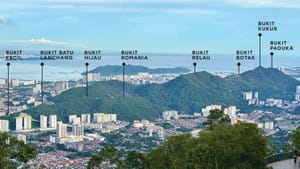
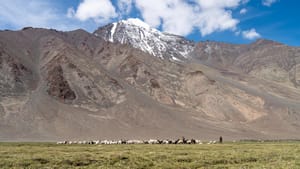
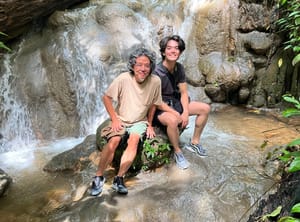
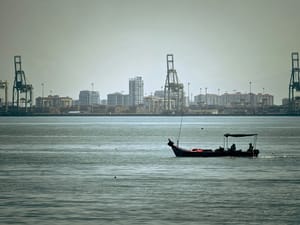
Penang blends island beauty and cultural vibrancy, while Ladakh contrasts bustling Leh with a tranquil countryside shaped by farming, herding and Tibetan Buddhism.
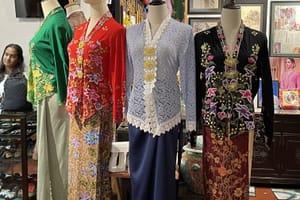
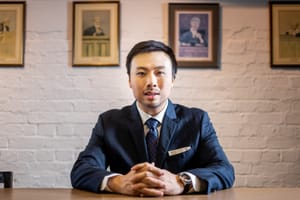
Kenny Loh’s story is particularly remarkable—of Penang Baba Nyonya descent, he transitioned from nutrition to fashion design, mastering Nyonya embroidery through self-learning. He is now a fashion designer dedicated to preserving Baba Nyonya culture.
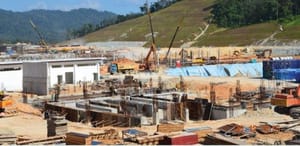
Since its inception, PAAB has invested in numerous projects across Peninsular Malaysia. As of December 2024, the organization has successfully completed or invested in projects worth more than RM7.47bil.
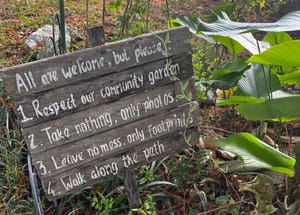
Kebun Kita(R), launched in 2020 at the Penang Digital Library, is Penang’s first self-sustaining urban farm, courtesy of the innovative technology provided by Universiti Pendidikan Sultan Idris (UPSI).
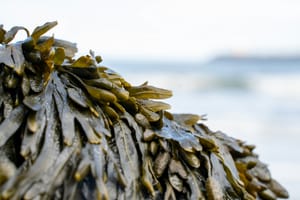
Although 44% of Malaysia’s aquaculture output in terms of tonnage is seaweed,it doesn’t seem like farmed seaweed made it in our dishes—but let’s look at the edible weeds from the sea.
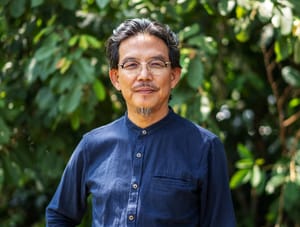
Ooi Kee Beng’s living bookshelf reveals the many lives he has touched and aspired to—historian, writer, artist—each spine a testament to his enduring curiosity and spirit.
Ooi Kee Beng spent over a decade at ISEAS, where his leadership, prolific academic work, and dedication to research left a lasting impact on the Institute and the region's scholarship.
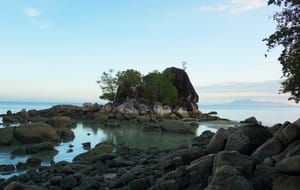
Often called Lover’s Isle by locals, Batu Ferringhi—or Foreigner’s Rock—is the very isle that lent its name to the long stretch of coastline beside it, now one of Penang’s tourist attractions.
In 2017, Penang Institute did a study on the agriculture sector. According to an executive summary by Negin Vaghefi, aquaculture has become increasingly important due to rising population and income driving demand for fish.