
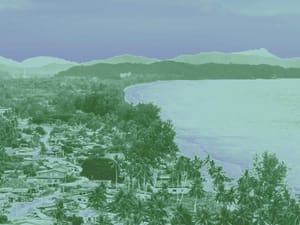
IN THE ENGLISH language, a “hamlet” or “colony” connotes a place of untainted being. Nature is close by, human warmth is at hand and social changes are slow enough to be embraced. But the rural, in practice, is often messy, starting with the domestic and half-tamed animals littering the path. There are ducklings in marching forma-tion and panicky chickens. Then come the wild ones that have learned to follow the pace and patterns of village life, including crows, rats, centipedes and cockroaches. One could go on and on.
Yet an idealised version of the country remains fundamental to many Malaysians’ sense of being, as a physical aspect of our history. Generally, we think of history as the past captured in words. However, when revisiting one’s home village, the past exists in concrete form, aided by strong memories and familiar names knotted in place. The thoroughfare most frequented by all, the knolls and hills filled with exciting stories told by grandmothers, the rivers safe to swim and banks safe to dive from, the fruit trees that nobody owns, the best spots to hide from the midday sun, the playmates now grown but back for the weekend, the weathered but kind looks of their parents...
And of course, the pattern of stars not seen anywhere else.