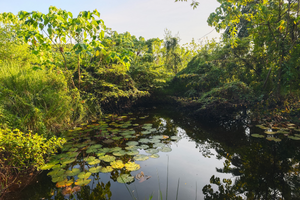
Project Mars hopes to shift how people think about eating—not as something dependent on constant regrowth, but as something already growing around them.
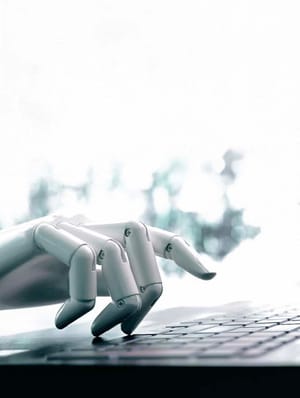
Automation is forcing a philosophical reset in the labour market. While “work” historically meant performing routine tasks for pay, the future requires societies to compete with AI on meaning, not speed.
The tragic loss of Zara Qairina[1], the culmination of a systemic bullying culture, where a “High Council” of seniors and abusive confrontations over theft accusations preceded her fatal fall, is a painful reminder that silence can kill.
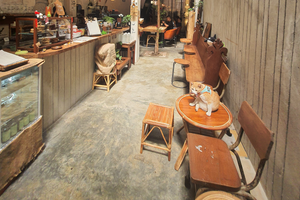
I can almost believe I’ve learned to make kopi—or at least understand that in Malaysia, coffee is a simple pleasure, and no less delicious than coffee made anywhere else.
If education is meant to equip students for the realities of today and the uncertainties of tomorrow, we must rethink what it means to be literate, capable and future-ready in the age of AI.
Stablecoins have become a vital asset to hedge against inflation in volatile economies. A survey revealed that 47% of participants in developing countries like Brazil, Turkey and Indonesia, use stablecoins for personal savings and cross-border remittances.
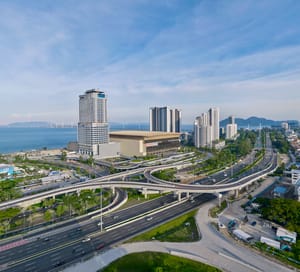
Two major landmarks have sprouted up on Penang Island in the last quarter of 2025—the Penang Waterfront Convention Centre (PWCC) and the Lin Xiang Xiong Art Gallery.
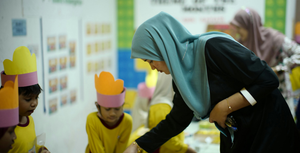
While many children are “farmed” out to schools, tuition centres, iPads and smartphones, there are still those who believe in showing up. We examine four distinct narratives, beginning with a Penang teacher, who once found his classroom in the homes of strangers.
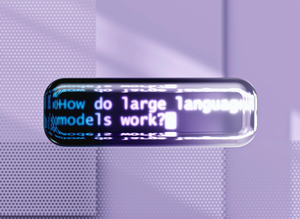
AI training aims at feeding, tuning and perfecting the content in LLMs. Behind facilitating “human thinking” is a great deal of labour-intensive work by many AI trainers.
AI has roots going back decades. The idea of creating “thinking machines” can be traced to philosophers and mathematicians who explored logic and reasoning, but the formal field of AI began in the 1950s.