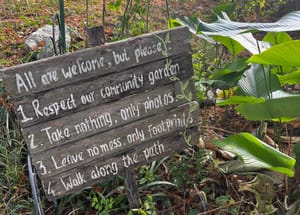
Kebun Kita(R), launched in 2020 at the Penang Digital Library, is Penang’s first self-sustaining urban farm, courtesy of the innovative technology provided by Universiti Pendidikan Sultan Idris (UPSI).
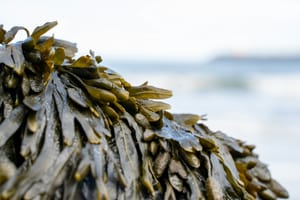
Although 44% of Malaysia’s aquaculture output in terms of tonnage is seaweed,it doesn’t seem like farmed seaweed made it in our dishes—but let’s look at the edible weeds from the sea.
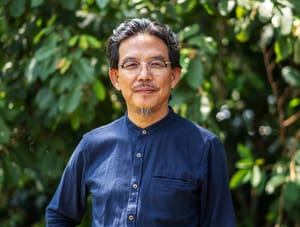
Ooi Kee Beng’s living bookshelf reveals the many lives he has touched and aspired to—historian, writer, artist—each spine a testament to his enduring curiosity and spirit.
Ooi Kee Beng spent over a decade at ISEAS, where his leadership, prolific academic work, and dedication to research left a lasting impact on the Institute and the region's scholarship.
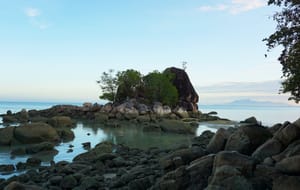
Often called Lover’s Isle by locals, Batu Ferringhi—or Foreigner’s Rock—is the very isle that lent its name to the long stretch of coastline beside it, now one of Penang’s tourist attractions.
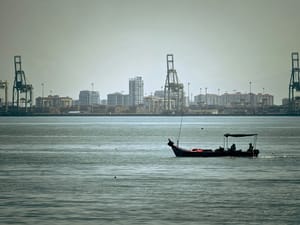
In 2017, Penang Institute did a study on the agriculture sector. According to an executive summary by Negin Vaghefi, aquaculture has become increasingly important due to rising population and income driving demand for fish.
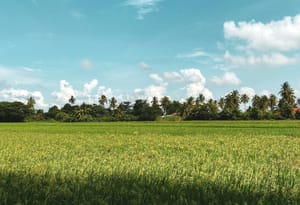
Malaysian paddy farming is confronted by a myriad of issues endangering its endurance and feasibility, notably in Penang, where city growth and financial progress have altered the farming terrain.
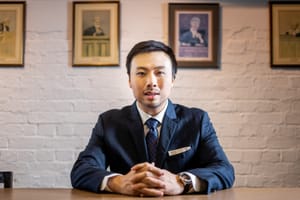
Ooi Kee Beng, a prolific writer and academic, continues to shape discourse through Penang Monthly, Penang Institute, and his regular column in The Edge.
At his core, Kee Beng is an anarchist—not in the reckless, chaotic sense, but philosophically. He distrusts power structures that stifle independent thought, and he resists hierarchies that demand obedience over understanding.